

Dear readers,
Kevin Warsh has been confirmed as the new chair of the Federal Reserve Board. As I wrote back in February, this was going to be the best available outcome, even though the Trump administration cannot credibly promise that it will stop its shenanigans on monetary policy. While Republican Sen. Thom Tillis did well by conditioning his support for Warsh’s confirmation on the Trump DOJ’s begrudging choice to close its pretextual investigation into the Fed, a prolonged effort to hold the chairmanship open in pursuit of broader demands would have been too costly for the long-run project of preserving political support for Fed independence. And, importantly, Warsh takes the seat of another recent Trump nominee to the board — former Council of Economic Advisers head Steve Miran, who served a very short term and remained as a holdover until Warsh was confirmed — which means the number of Trump loyalists on the Fed board is unchanged.
So I don’t blame Sen. Tillis at all for letting the confirmation go through. The important thing is that Trump must not be able to make further appointments to the Fed board, which could entail replacing good, independent members with Trump lackeys. Remember: the Federal Reserve Chair has little direct power; mainly, the chair builds consensus and exerts influence over decisions made by the Fed’s seven-member board and its 12-member Federal Open Market Committee, which consists of the board members plus five presidents of the Fed’s regional banks. The Fed’s ability to act independently relies on the willingness of the members of those bodies to pursue its mandates rather than acting as minions for the president.
Currently, the Fed board is full, and there’s only one term set to expire before Trump’s presidency does: Jerome Powell’s, which ends on January 31, 2028. But the administration has tried to fire Lisa Cook, a Biden appointee whose term is supposed to run until 2038. And historically, Federal Reserve Board members have often resigned their positions well before their 14-year terms expired, since that’s quite a long time to spend in one position in government. The board members now face a civic responsibility to stay in their seats because of the possibility that the president could seek to replace them with very irresponsible people. In some cases, this will entail significant personal sacrifice: Powell is 73 years old, at the end of a distinguished career, and I’m sure he would rather be enjoying retirement than sticking around to make sure his successor doesn’t light an important part of the world’s financial infrastructure on fire to make the president happy.
Powell’s unusual decision to stay on as a board member after leaving the chairmanship has obviously been driven in significant part by the Trump DOJ’s threats against the Fed and him personally, and a desire to ensure the Fed stands up to them. There are also risks to monetary policy itself: though he says he does not intend to be “a high-profile dissident,” I expect Powell to share the dominant position of FOMC members who are not eager for near-term interest rate cuts. And then there are low-probability disasters to prevent: Victoria Guida reports on one concern, which is that a Trump-friendly majority on the Fed board could seek to fire regional bank presidents who oppose Trump’s interest rate agenda on the FOMC, blowing up a key structural factor that keeps monetary policy insulated from political whims.
The good news is that there’s only two and a half years of clock to run out before Trump’s presidency ends. A war on the Fed has not served Trump’s political interests and generally does not serve any president’s interests. Trump has not gotten the low-interest rate environment that he wanted — with a handful of short-term rate cuts offset by forces, including his own irresponsible fiscal policy and the uncertainty caused by his very same attacks on the Fed, that have pushed up longer-term interest rates — and upward pressure on inflation caused by his campaign to make the Fed excessively dovish only stands to make him more unpopular over time. If he did get the really deep rate cuts he wants, inflation would go even higher, so even the next Republican president will have self-interested reasons to back off of Trump’s campaign to seize control of monetary policy.
Plus, Trump has started an actual war that boxes in his new Fed chair. The conflict with Iran has spiked oil prices and caused overall inflation to rise. Inflation is now back up to 3.8% over the past 12 months, with the monthly rate running faster than that (prices up 0.6% in April alone). Warsh will preside over his first FOMC meeting next month, and I will be surprised if there are any votes for rate cuts, even from Warsh himself. The Fed may need to hike rates this year to tame inflation.
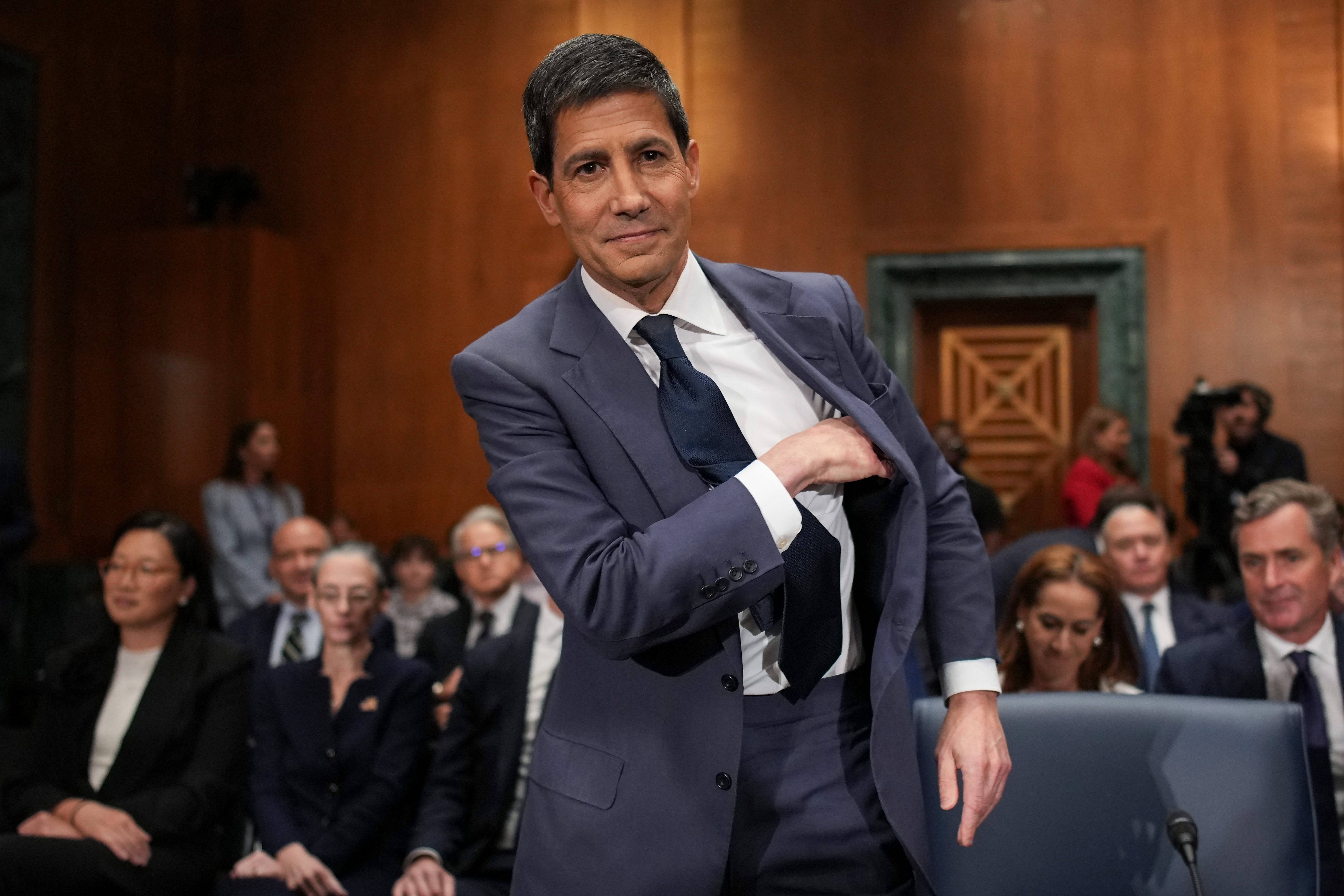
Trump, I’m sure, will be angry if Warsh does not appear to fight for the rate cuts he expects. Warsh might not care — his longstanding policy instincts are hawkish, and now that he has the job he’s spent his whole career striving for, he no longer needs Trump’s grace any more than Powell did. But if he wants Trump’s grace, it’s good that Powell will be there along with the rest of the incumbent board members — who are generally pretty good, even Trump’s appointees from his first term — and the regional bank presidents, who I expect will keep the Fed focused on stable prices and maximum employment, rather than on making the president happy.
Very seriously,
Josh
It appears you’re ignoring any role a future Senate, with a lame-duck like Tillis or not, could play in not rubber-stamping irresponsible Trump appointees. That’s understandable given recent evidence of a missing Republican spine, but it’s still disappointing. It suggests that the best hope for long-term fiscal prudence has to include shorter-term political reform.
I read a good article recently about how one part of Powell's legacy will be how the chair used to work toward consensus, but in response to Trump's meddling, it seems Powell has encouraged dissent at the FOMC votes. In a way, he gave power to the panel members and underlined that the chair is just one voice and one view.